
Article: Ode to Mary Magdalene


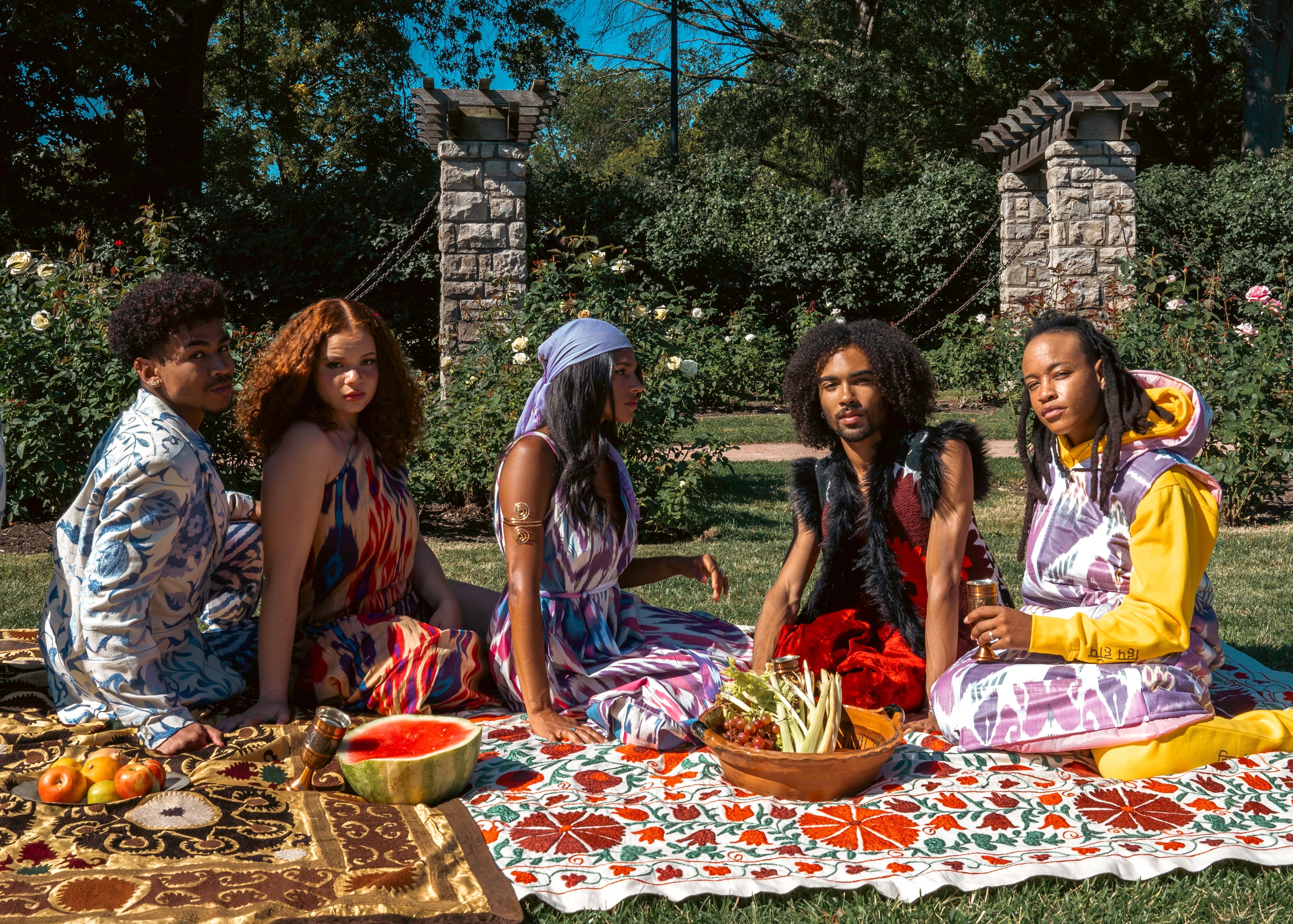





On this Easter Sunday, we are invited to contemplate resurrection. Resurrection is not a new story. It is an ancient archetypal story, felt in the turning of the seasons, the descent of the sun, the seed buried in the dark before in breaks open to life.
Long before the empty tomb, long before the garden, long before the stone was rolled away, the world knew this ritual. They knew it through Inanna, the great Sumerian queen of heaven and earth, who descended into the underworld and rose again, restoring life to a dying world. They knew it through Isis, the Egyptian goddess who gathered the scattered pieces of her beloved Osiris, breathed life back into death, and became the ultimate symbol of divine feminine power over mortality. These were not myths invented to entertain, they were sacred truths encoded in story, passed down for thousands of years. The feminine is not peripheral to resurrection, she is the force that makes it possible.
And then came a story the world already knew by heart, and erased the woman at the center of it.
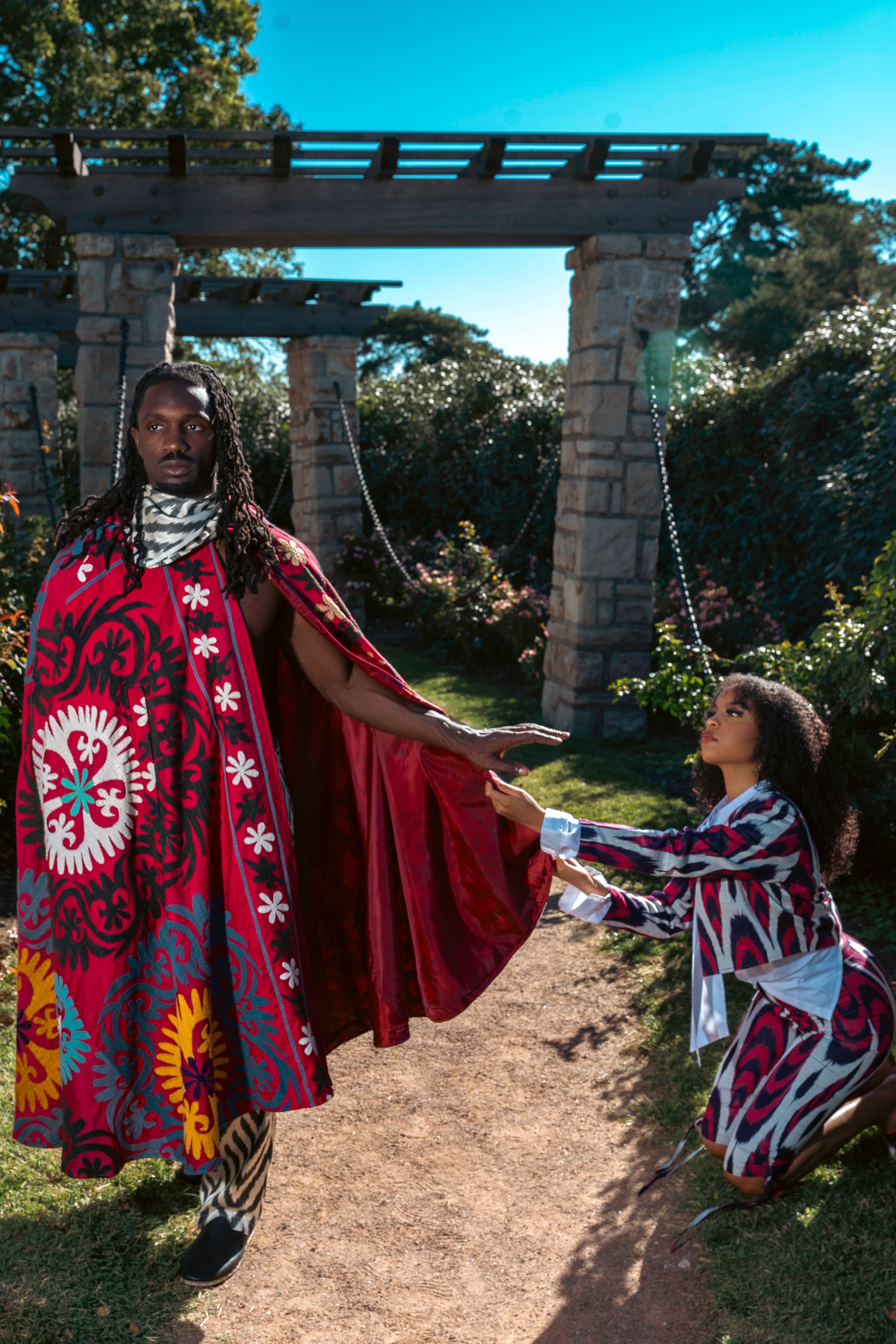
When Imperial Rome chose which scriptures to include in the canonical Bible, it was no accident they buried the texts that revealed women's central role in early Christianity. To establish absolute male authority, Mary Magdalene's true identity, and her scriptures, were erased, hidden, and lost to history.
Like Inanna descending and rising, like Isis restoring what had been destroyed, Mary Magdalene stood at every threshold of the most sacred story in Western civilization. It was Mary who anointed Jesus, making him Christ, the Anointed One. It was Mary who stood at the cross when the male disciples fled. It was Mary who discovered the empty tomb, who encountered the resurrected God in the garden, who carried the most important message in Christian history back to the men who would later write her out of it.
She was teacher. Prophet. Apostle. The beloved disciple. The first witness to resurrection.
And like the goddesses before her, they tried to bury her.

They called her prostitute to silence her. They erased her gospels to diminish her. They rewrote her story to contain the threat she represented, a woman who held spiritual authority equal to, or surpassing, the men who claimed to speak for God. Just as patriarchal empires sought to replace the goddess traditions of Inanna and Isis with male-dominated theology, the early institutional church systematically dismantled the legacy of women.
But resurrection, it seems, has a way of persisting.
This Easter, we remember that the story of the divine feminine rising is not new. It echoes across millennia, in Sumer, in Egypt, in Jerusalem.
The Ode to Mary Magdalene collection is her restitution.
Every piece reclaims what was stolen. Every garment honors what was buried. Every stitch resurrects the truth they tried to destroy.
Magdala in Aramaic means, the tower, elevated, great, magnificent. This wasn't her surname; it was her title! Mary Magdalene was not saved by Jesus, she was never lost. She awaits in the dark to rise again this Easter.