Article: Inanna to Aphrodite


Article: Inanna to Aphrodite
From Inanna to Aphrodite: Reclaiming the Female Form
Every time I sit down to sketch a new design, I find myself reaching backwards, past trends, past fashion cycles. I am looking for an older language, one made of clay, stone, pigment, myth, and memory.
That search led me again and again to Inanna, later known as Ishtar, the ancient Mesopotamian goddess of love, war, sexuality, fertility, and power. She is not a gentle symbol. She is contradictory, radiant, dangerous, sensual, political, and divine.
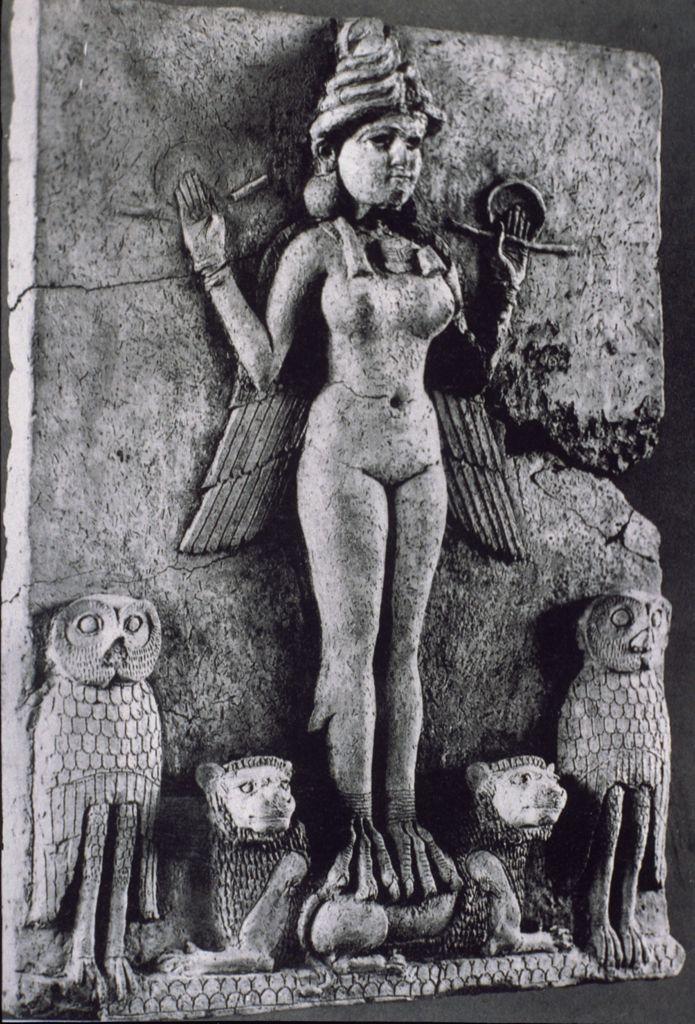
One of the most striking ancient images associated with this world is the terracotta relief known as the Queen of the Night, dated to about 1800–1750 BCE. The figure is nude, winged, crowned, and standing on lions. She wears the horned headdress of a deity and holds symbols of divine authority. Whether she represents Ishtar, Ereshkigal, or another goddess, the message is unmistakable, the female form here is not fragile, she is sovereign.
Her body is not presented as an object or a temptation to manage. It is part of her presence, her authority, and the language through which power is made visible.
Then the Story Changed
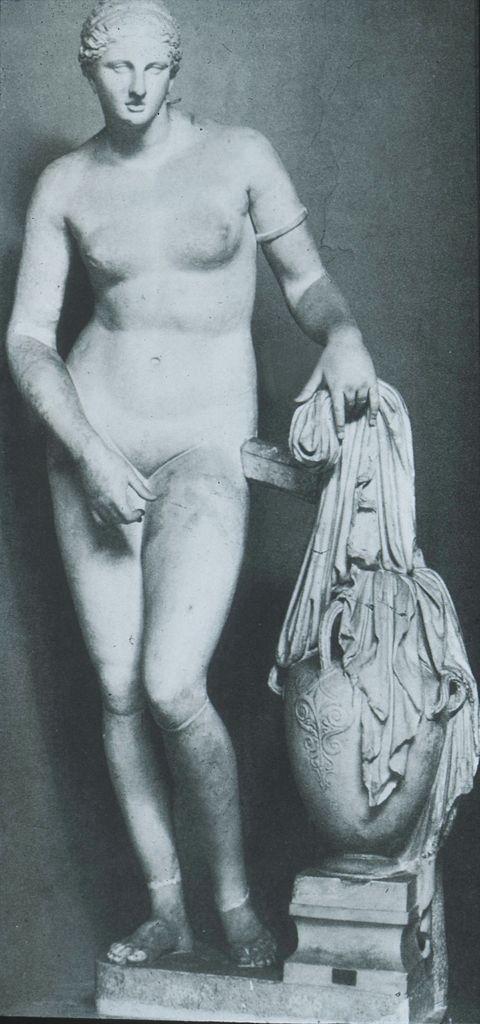
Centuries later, Greek art gave the West one of its most famous images of the female nude: Praxiteles’ Aphrodite of Knidos, created in the fourth century BCE. Art history often describes it as a breakthrough, one of the first monumental nude female sculptures in Greek art.
When I look at her beside the older goddess imagery of Mesopotamia, I see something more complicated. Aphrodite is beautiful, but she is also covering herself, vulva erased. One hand moves toward the body. The gaze turns away. The pose suggests a private moment interrupted. The body is visible, but it is framed through modesty, exposure, and being seen as an object for the viewer.
That shift matters. If Inanna and Ishtar belonged to a world where female sexuality could be divine power, Aphrodite of Knidos helped establish a
different visual inheritance, the female body as something shamed, objectified, watched, softened, and contained.
What I Want My Designs to Remember
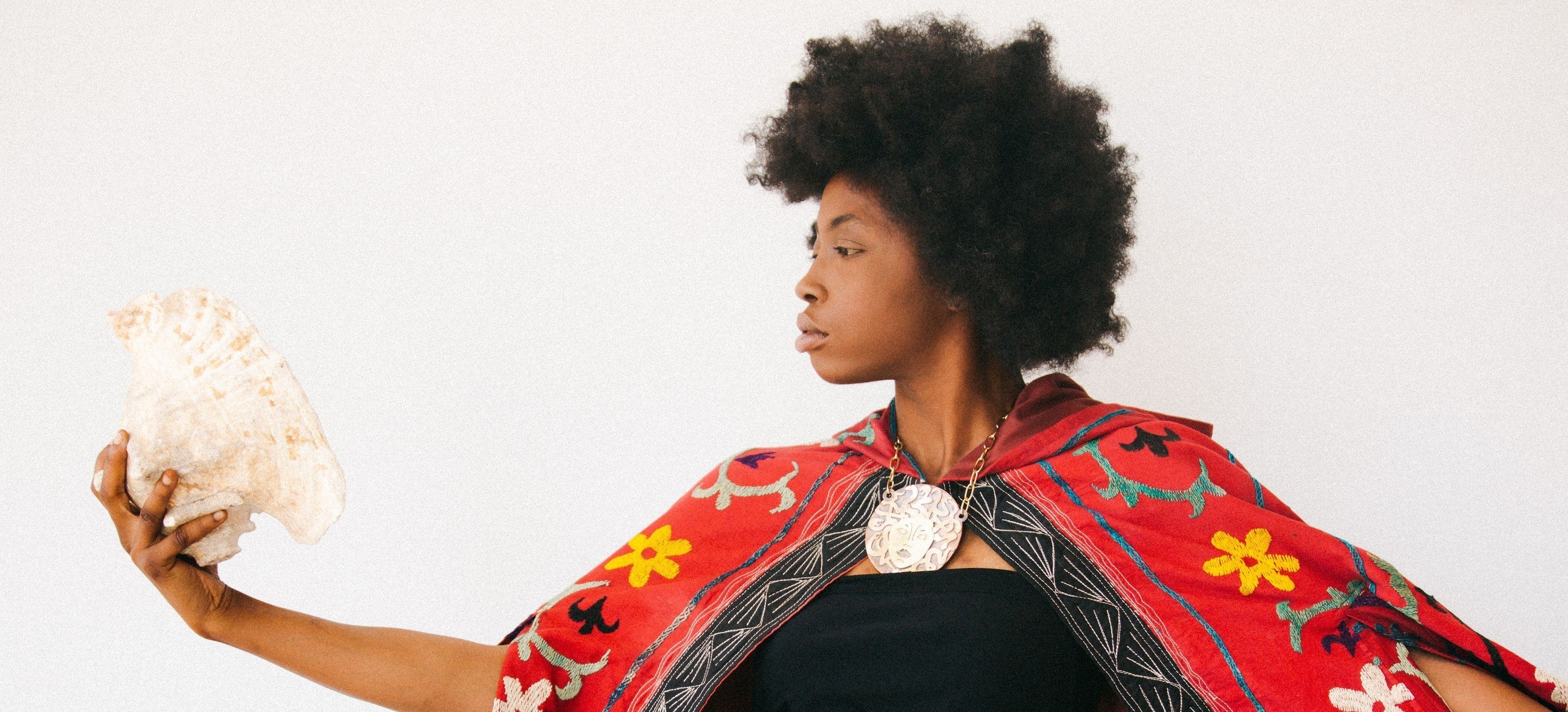
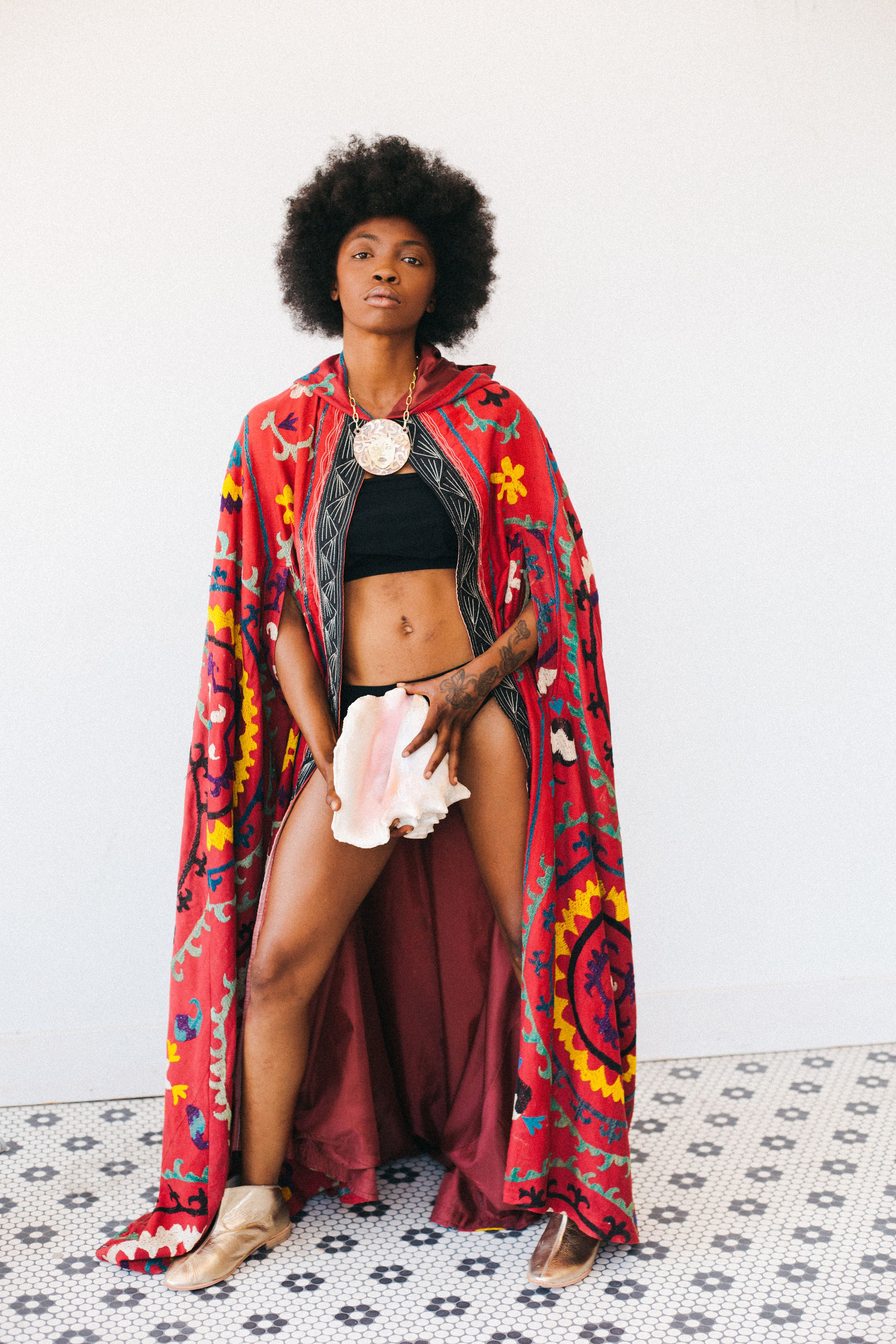
This is the thread I keep pulling in my own work. The version of femininity that existed before the objectification and shame. The sensual, direct, and unafraid.
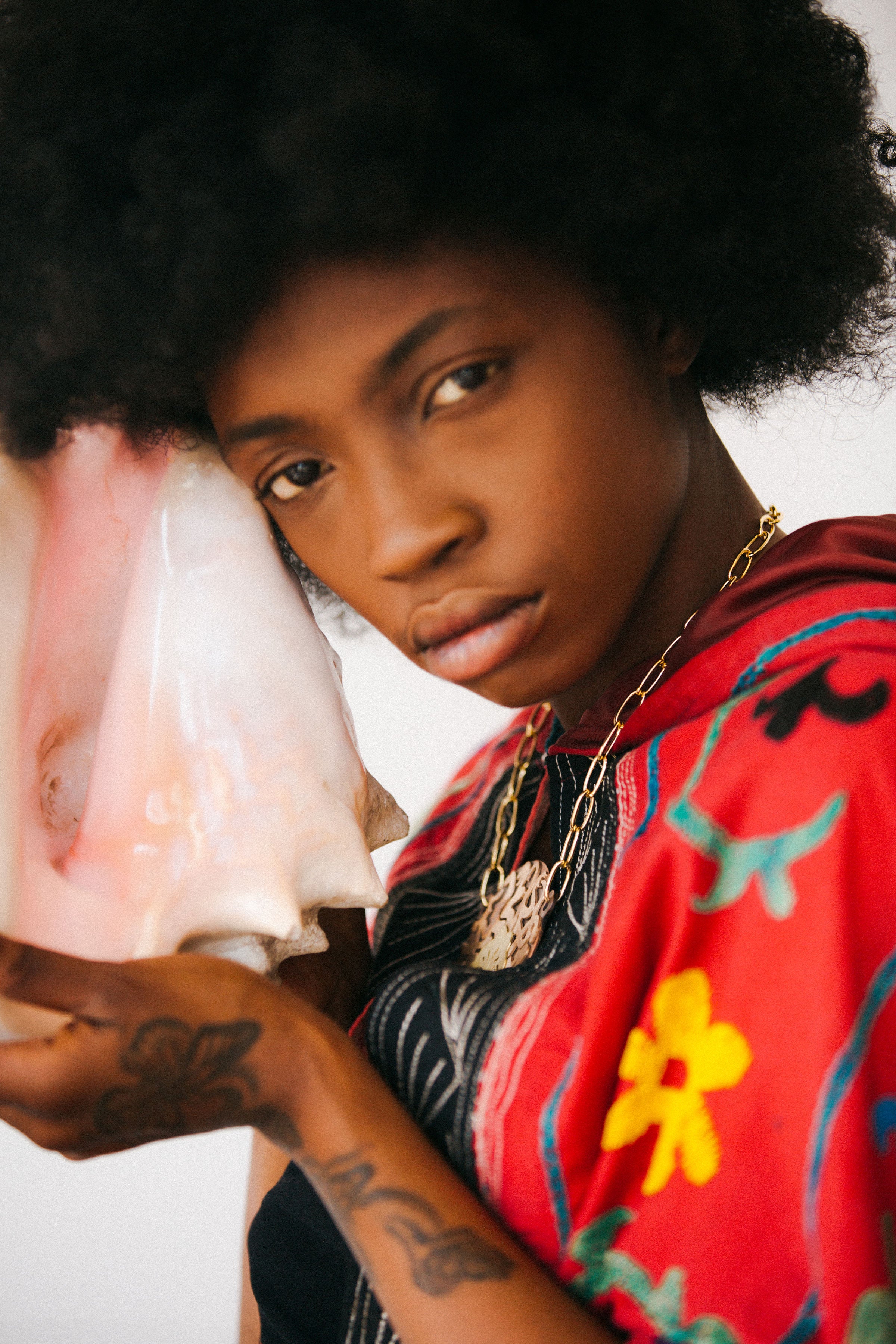
When I design, I think about a goddess standing on top of lions with wings, made from clay, on temple walls. Ancient hands shaping images of female power. I think about clothing not as concealment, but as ritual, something that is empowering and intentional.
The history of art has spent a long-time teaching woman that their bodies are objects, to be either softened and hidden or sexualized for the viewer. I make pieces that remember what came before this, that supoort women in all thier power!
This piece is inspired in part by art historian Zainab Bahrani’s writing on Ishtar, Nudity, and the Ways Ancient Art History has Shaped the Western Idea of the Female Body.